Practical Guide to Engaging Local Communities
Engaging with local communities is crucial for fostering strong relationships and creating sustainable ecosystems. This guide provides practical tips and insights into how to effectively connect with community members in Canada.
Understanding the Importance of Community Engagement
According to research by the International Association for Public Participation, community engagement can significantly enhance trust and collaboration among residents and local organizations. Engaging communities is not just about participation; it’s about building relationships that can lead to collective action and problem-solving.

"Community engagement is about creating a two-way dialogue that fosters understanding and collaboration." - Community Development Expert
Effective Strategies for Community Engagement
- Identify Key Stakeholders: Start by mapping out individuals and groups that are influential within the community. This typically involves reaching out to local leaders, businesses, and organizations that reflect the community's demographic diversity.
- Utilize Local Insights: Research shows that local knowledge can enhance outreach efforts. Listening to community members about their needs and concerns can shape more effective engagement strategies.
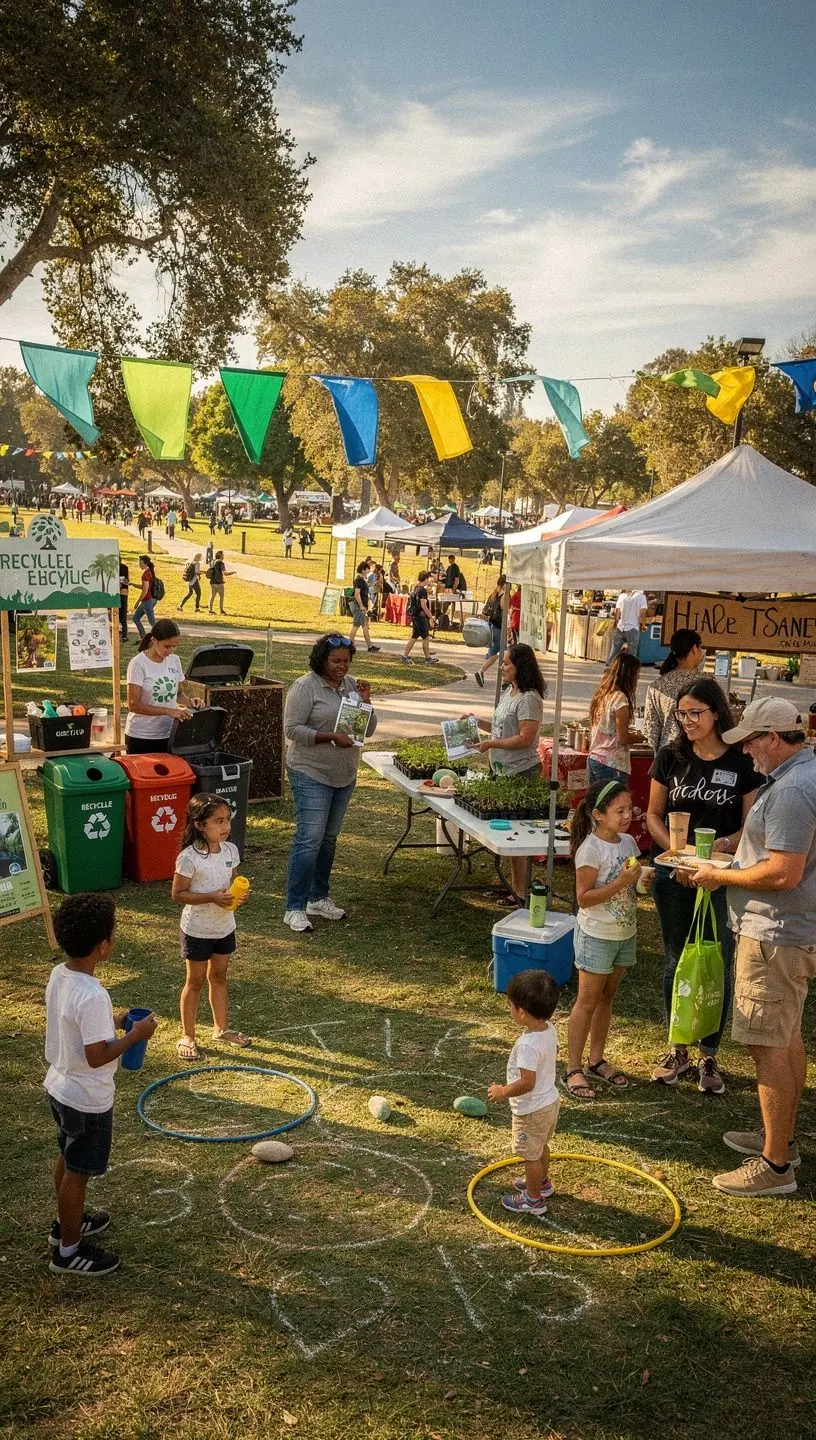
- Organize Community Events: Hosting events such as workshops or town hall meetings can facilitate face-to-face interactions. Experts recommend planning events to include diverse activities that cater to various interests, making it more likely for community members to participate.
- Utilize Digital Tools: Many organizations have found success utilizing social media and community mapping tools to connect with residents. According to studies, digital interactions can complement in-person efforts, especially in a post-pandemic world where many individuals prefer online engagement.
- Follow Up and Evaluate: After initial engagement efforts, it’s essential to follow up with community members and assess the impact of your initiatives. Research indicates that consistent follow-up can increase community trust and improve future interactions.
Acknowledging Challenges and Limitations
Engaging local communities often requires significant time and effort. Many users report that initial outreach can be challenging and may take several weeks or even months to establish genuine connections. This process typically involves learning about community dynamics and understanding cultural sensitivities.
Furthermore, not all engagement strategies are universally effective. For example, traditional methods such as flyers or community newsletters may not reach younger demographics or tech-savvy individuals, who might prefer digital communication channels.
Conclusion
Engaging local communities is a multifaceted process that demands commitment and adaptability. By utilizing effective strategies and acknowledging potential challenges, organizations can foster stronger community ties. Remember, meaningful engagement is a continuous journey that thrives on open communication and mutual respect.