The Importance of Mapping for Ecosystem Resilience
In an era of rapid environmental change, understanding our local ecosystems is crucial. Mapping tools, when effectively utilized, can help communities enhance ecosystem resilience. This article explores the significance of mapping in preserving and strengthening local ecosystems, particularly in Canada.
Understanding the Basics
Mapping is a vital process that involves visually representing geographical data. According to research, effective mapping can significantly influence resource management and conservation strategies. Experts recommend using mapping to understand spatial relationships in ecosystems, which can lead to more informed decision-making.

"Mapping provides a framework for integrating ecological data with community needs, fostering a resilient ecosystem." - Environmental Research Journal
The Role of Mapping in Ecosystem Resilience
Mapping serves multiple purposes in enhancing ecosystem resilience:
- Identifying Biodiversity Hotspots: Research indicates that mapping can help pinpoint areas with high biodiversity. These hotspots are essential for conservation efforts, as protecting them can lead to the preservation of unique species.
- Tracking Changes Over Time: Geographic Information Systems (GIS) allow for the monitoring of environmental changes, such as habitat loss or climate impacts. Studies show that communities using GIS can adapt more quickly to ecological shifts.
- Facilitating Community Engagement: Mapping tools can help involve local communities in conservation efforts. This collaborative approach often leads to more sustainable practices, as residents tend to support initiatives that they have a hand in shaping.
Practical Application of Mapping Tools
To effectively utilize mapping for ecosystem resilience, consider the following steps:
- Choose the Right Mapping Tool: Various tools like ArcGIS, QGIS, and online platforms like Google Earth provide accessible mapping options. Selecting the right tool typically depends on your specific needs and familiarity with technology.
- Gather Relevant Data: Successful mapping requires accurate and relevant data. In most cases, this involves collecting local environmental information from community sources, governmental databases, or academic research.
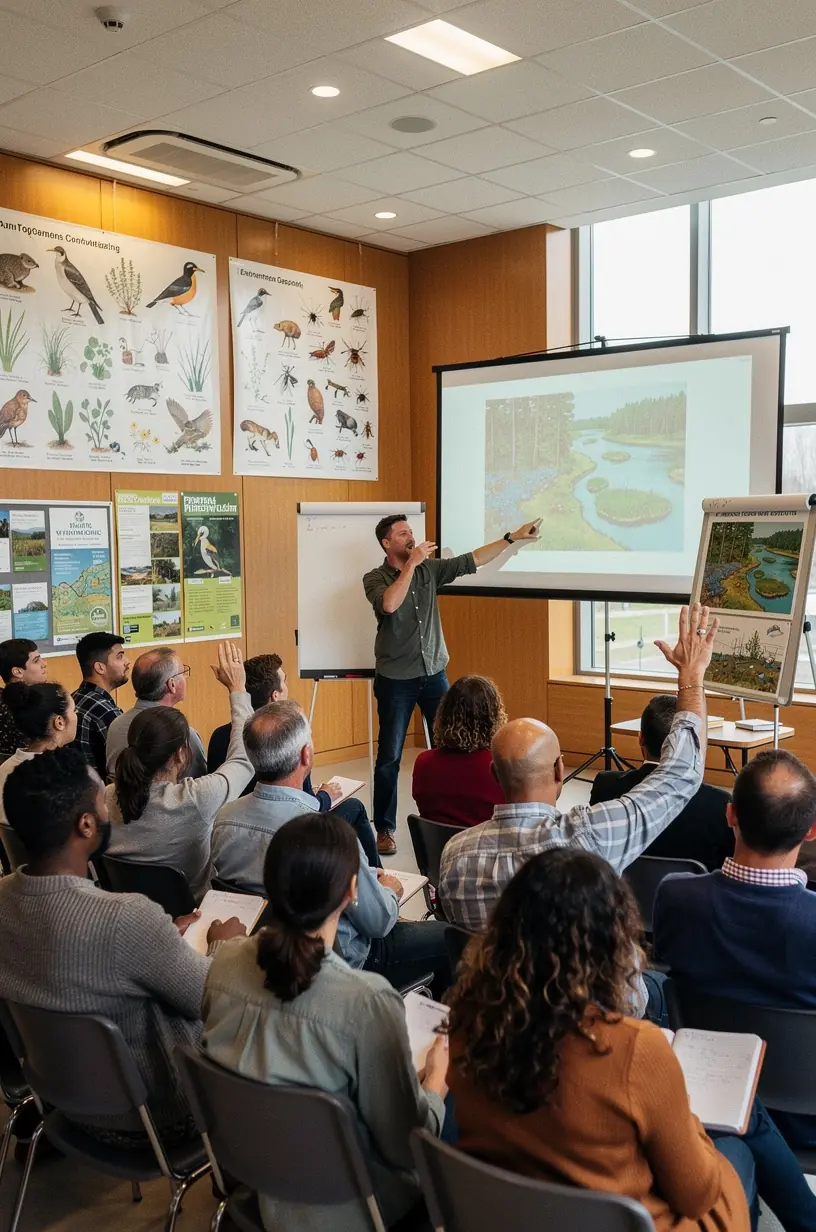
- Engage the Community: Involve local stakeholders in the mapping process. This engagement not only enhances data accuracy but also encourages community ownership of the ecosystem, fostering a collective responsibility for its preservation.
Acknowledging Limitations
While mapping is a powerful tool, it is essential to acknowledge its limitations:
- Resource-Intensive: Implementing effective mapping projects typically requires time and financial resources. Many users report that initial setup can be challenging, requiring a commitment to learning.
- Data Quality Variability: The effectiveness of mapping depends on the quality of the data used. Poor data can lead to misinterpretations, potentially harming conservation efforts.
- Requires Technology Access: Access to the necessary technology can be a barrier, especially in remote communities. Reliable internet and hardware are often prerequisites for utilizing advanced mapping tools.
Conclusion
Mapping plays a crucial role in enhancing ecosystem resilience, especially in the Canadian context. By leveraging various mapping tools, communities can better understand their ecosystems, engage stakeholders, and foster sustainable practices. While there are challenges to consider, the potential benefits of informed ecological management are significant. Implementing these strategies can help communities navigate the complexities of environmental changes and contribute to a more resilient future.
Learn More