Assessing Environmental Impact Through Mapping
In an era where environmental concerns are increasingly prevalent, understanding our local ecosystems is crucial. Mapping services can play a significant role in assessing environmental impact, helping communities make informed decisions. This article delves into the methodology behind mapping and its practical applications in assessing environmental health in Canada.
Understanding the Basics of Environmental Mapping
Environmental mapping involves the use of geographical information systems (GIS) to collect, analyze, and visualize data related to natural resources and human activities. According to research, effective mapping can reveal patterns and trends that are often overlooked. This process typically begins with data collection, which can include satellite imagery, field surveys, and existing environmental data.

"Mapping can illuminate environmental challenges and opportunities, allowing for more informed decision-making." - Environmental Expert
How Mapping Aids in Environmental Assessment
The application of mapping services can significantly enhance our understanding of environmental impacts. Here are several ways it can be utilized:
- Identifying Areas of Concern: Mapping can help pinpoint regions that are most affected by pollution or habitat destruction. Studies show that targeted interventions in these areas can yield effective results.
- Monitoring Changes Over Time: Continuous mapping enables communities to monitor environmental changes and develop strategies for sustainability. This process often requires ongoing data collection and analysis.
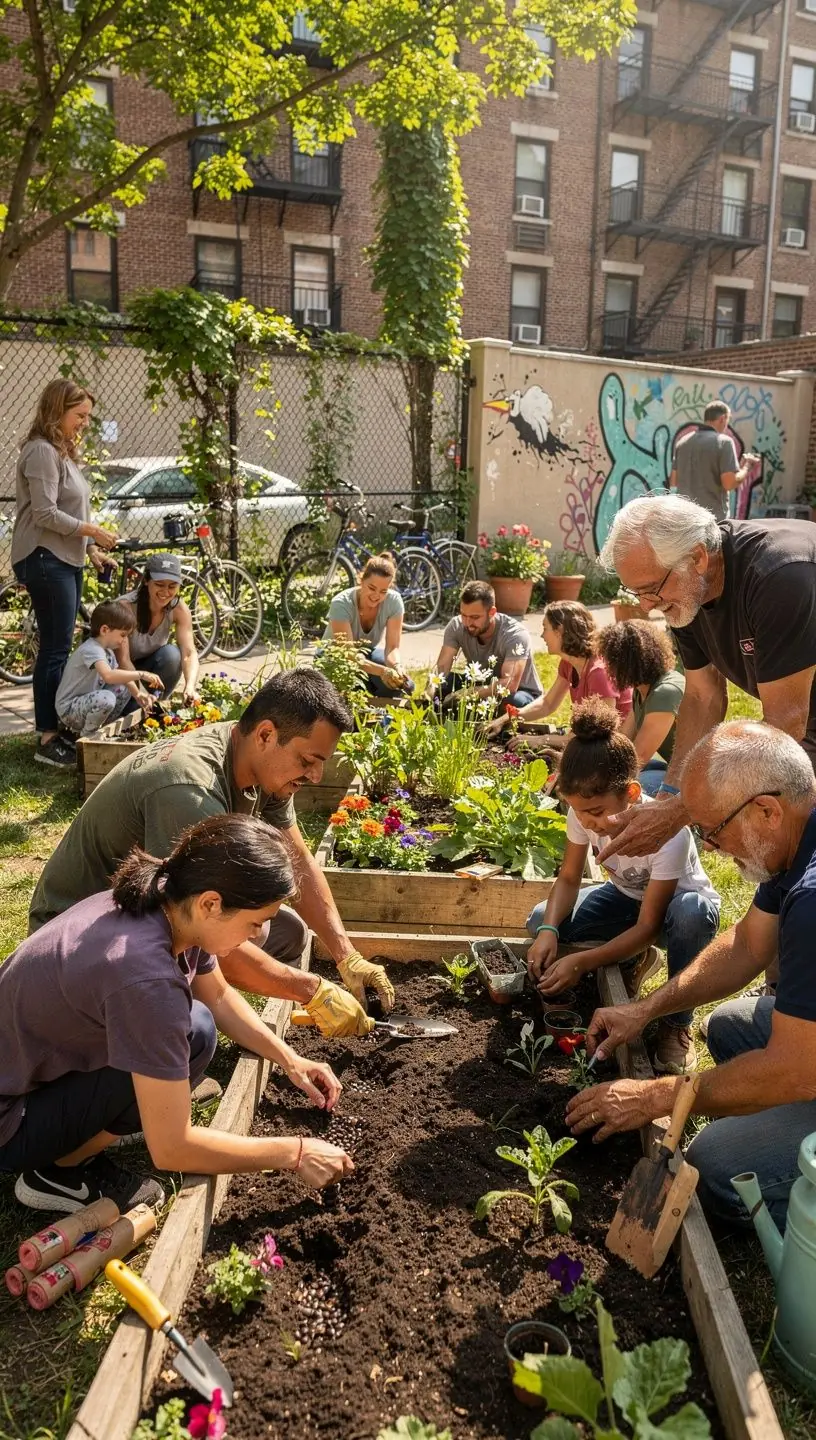
- Facilitating Community Engagement: Maps are powerful tools for engaging local communities. They can visualize complex data in a more understandable way, helping residents recognize their role in environmental stewardship.
Practical Applications of Mapping Services
Implementing mapping services within local ecosystems can yield substantial benefits. Here are practical steps that communities can take:
- Collaborate with Local Organizations: Partner with environmental NGOs or academic institutions that specialize in GIS to leverage their expertise and resources.
- Conduct Community Workshops: Host sessions to educate residents on how to use mapping tools and interpret data effectively. This typically enhances community involvement and ownership of local environmental issues.
- Utilize Open-Source Mapping Tools: Many communities have successfully used open-source platforms like QGIS or Google Earth for mapping projects. These tools, while requiring some technical knowledge, are accessible and can be adapted to various needs.
Conclusion
Mapping services represent a valuable approach to assessing environmental impact, particularly in local ecosystems like those in Canada. By leveraging technology and fostering community engagement, these services can help address environmental challenges effectively. While there is a learning curve involved in utilizing mapping tools, the potential benefits—ranging from increased awareness to effective intervention strategies—make it a worthwhile endeavor for communities committed to sustainable practices.
Learn More